

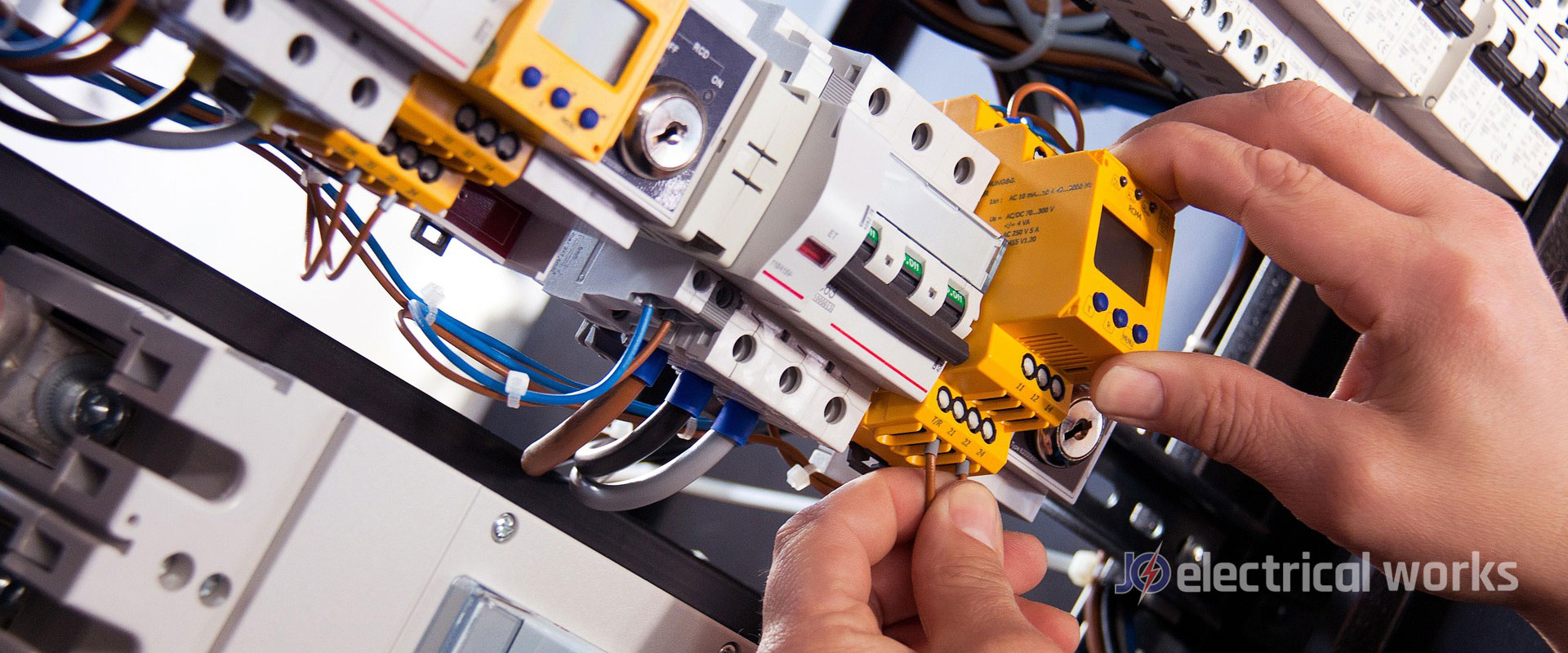
Electrical safety inspections are one of the most effective ways to protect your home, family, and property—yet many Queensland homeowners aren’t sure what actually happens during one. Whether you live in Brisbane, Logan, Bayside, or surrounding suburbs, understanding the inspection process can help you prepare and avoid unexpected issues.
With Queensland’s mix of older homes, modern renovations, and increasing electrical demand, regular inspections play a vital role in preventing hazards and ensuring compliance with current safety standards.
Here’s what you can expect during a home electrical safety inspection in Queensland.
Why Electrical Safety Inspections Are Important
Electrical systems age over time. Wiring deteriorates, circuits become overloaded, and older components may no longer meet modern safety standards.
A professional electrical inspection helps to:
- Identify potential fire and shock hazards
- Ensure compliance with Queensland electrical regulations
- Detect wear and tear before it becomes dangerous
- Confirm your system can handle modern appliances
- Provide peace of mind for homeowners
Inspections are especially recommended for homes over 20–25 years old, properties that have been renovated, or homes preparing for sale or lease.
Step 1: Visual Assessment of Electrical Components
The inspection typically begins with a visual check of accessible electrical components throughout the home. This includes:
- Power points and switches
- Light fittings
- Visible wiring
- Outdoor electrical fixtures
- Meter box and switchboard
In suburbs such as Wynnum, Manly, Camp Hill, Mount Gravatt, Cleveland, Capalaba, and Springwood, older homes often show signs of ageing fittings or previous DIY modifications, which electricians are trained to identify.
Step 2: Switchboard and Safety Switch Testing
Your switchboard is the heart of your electrical system. During an inspection, electricians check:
- Type and condition of circuit breakers or fuses
- Presence and operation of safety switches (RCDs)
- Load capacity
- Signs of overheating or corrosion
If your switchboard is outdated, an upgrade may be recommended to improve safety and support modern electrical usage:
Step 3: Wiring and Circuit Evaluation
While not all wiring is visible, electricians assess accessible areas such as roof spaces and meter connections to look for:
- Brittle or damaged insulation
- Loose or exposed wiring
- Incorrect cable sizes
- Evidence of overheating
Queensland’s heat and humidity can accelerate wiring deterioration, making this step especially important for older homes.
Step 4: Power Point and Circuit Load Testing
Modern households draw far more electricity than older systems were designed to handle. During an inspection, electricians test:
- Power point condition and earthing
- Circuit loading
- Frequent tripping issues
- Overuse of power boards or double adapters
If necessary, additional power points or dedicated circuits may be recommended to reduce overload risks.
Step 5: Smoke Alarm Compliance Check
Smoke alarms are a critical part of home safety. Inspections often include checking whether alarms:
- Are photoelectric (not ionisation)
- Are correctly located
- Are interconnected where required
- Meet Queensland’s 2027 compliance requirements
For detailed installation guidance, homeowners can refer to:
Step 6: Outdoor and Wet Area Safety Checks
Bathrooms, kitchens, garages, and outdoor areas are high-risk zones due to moisture exposure.
Inspectors check:
- Outdoor power points and lighting
- Pool or garden electrical systems
- Bathroom exhaust fans and heaters
- Weatherproofing and protection
This is particularly relevant in Bayside and Redlands suburbs, where coastal conditions can affect fittings over time.
Step 7: Inspection Report and Recommendations
At the end of the inspection, you’ll receive a clear explanation of:
- Any safety issues found
- Recommended repairs or upgrades
- Compliance gaps
- Urgent vs non-urgent actions
This allows homeowners to plan improvements gradually rather than dealing with emergencies later.
When Should You Book an Electrical Safety Inspection?
You should consider an inspection if:
- Your home is over 20 years old
- You’re buying or selling a property
- Circuits trip regularly
- You’re installing new appliances or air conditioning
- You’ve noticed flickering lights or warm power points
Final Thoughts
A home electrical safety inspection is a proactive step toward protecting your property and loved ones. Understanding what to expect helps remove uncertainty and ensures you’re making informed decisions about your home’s electrical system.
For Queensland homeowners, regular inspections are not just about compliance—they’re about long-term safety and reliability.
Contact Jo Electrical Works
For professional electrical safety inspections across Brisbane, Logan, Bayside, and surrounding suburbs:
📞 Call us: 0405 305 068
📧 Email: info@joelectricalworks.com.au
🌐 Visit: www.joelectricalworks.com.au